

A Look at Brooke, our Aesthetic Nurse
Just like any valuable investment, your skin deserves regular care to stay beautiful and natural for years to come. That’s […]
Fat transfer, or fat grafting, is a surgical procedure that permanently restores fat in the face. Fat is typically harvested from the abdomen, flanks, or hips with liposuction. The fat is spun in a centrifuge, then injected carefully beneath the skin in areas where aging and atrophy have caused hollowing. Fat transfer is frequently combined with other surgical procedures such as:
Patients who are candidates for fat transfer will have moderate to severe volume loss in the face, may be interested in additional surgical procedures, and are looking for long term results.
If you are interested in facial volume enhancement but aren’t sure about undergoing surgery, we also offer non-surgical options.


*Individual results may vary.
Facial fat transfer can restore volume in areas such as the cheeks, temples, under-eye hollows, nasolabial folds, lips, and jawline. It can also help improve facial asymmetry or age-related volume loss.
Neither option is universally better. Facial fat transfer may be preferable for patients seeking longer-lasting volume using their own tissue. Dermal fillers may be better for those who want a less invasive treatment with little downtime and more temporary, adjustable results.
In some cases, yes. Facial fat transfer can provide lasting volume enhancement, potentially reducing or eliminating the need for regular filler treatments. However, some patients still choose fillers later for smaller adjustments or additional refinement.
Your surgeon will provide specific instructions that may include not smoking, drinking alcohol, and taking certain medications or supplements that can increase bleeding. But you should not stop prescribed medications without medical guidance.
The procedure typically takes about one to several hours, depending on how much fat is harvested, the number of areas treated, and whether facial fat transfer is combined with another procedure.
Facial fat transfer may be performed using local anesthesia with sedation or general anesthesia. The appropriate option depends on the extent of treatment, whether other procedures are being performed, and your surgeon’s recommendations.
The surgeon chooses a donor area based on where you have enough available fat and where liposuction can be performed safely. Common donor areas include the abdomen, thighs, hips, and flanks.
Liposuction requires small incisions, so tiny scars are possible. These incisions are usually placed in discreet locations and tend to fade over time.
It can create a subtle change in contour, depending on how much fat is removed. Because facial fat transfer usually requires only a modest amount of donor fat, the change may be relatively minor.
Swelling and bruising are common, and the treated areas may initially look fuller than expected. You may also experience tenderness at the donor site, and your surgeon may recommend limiting certain activities while healing begins.
Many patients can return to lighter daily activities within several days, although swelling and bruising may take longer to improve. Avoid strenuous exercise and more demanding activities until your surgeon clears you.
Initial swelling often improves over several weeks, but it can take a few months for the transferred fat to stabilize and for the final result to become more predictable.
Yes. Facial fat transfer can be repeated if you want additional volume or refinement. Your surgeon will typically wait until the initial results have stabilized before determining whether another procedure would be beneficial.
Just like any valuable investment, your skin deserves regular care to stay beautiful and natural for years to come. That’s […]
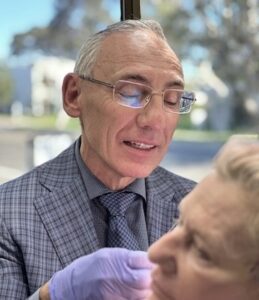
How do you achieve a more youthful face if you are not ready for or interested in a facelift? Can […]
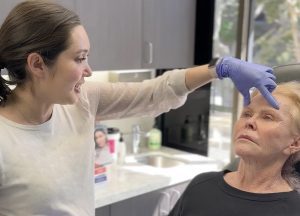
As we age, our temple areas lose fat, leading to a “hollow” look with a decrease in natural volume. Injectables […]


 Trustindex verifies that the original source of the review is Google.
 Trustindex verifies that the original source of the review is Google.
 Trustindex verifies that the original source of the review is Google.
 Trustindex verifies that the original source of the review is Google.
 Trustindex verifies that the original source of the review is Google.
 Trustindex verifies that the original source of the review is Google.
 Trustindex verifies that the original source of the review is Google.